Blog
Cycling the Rebellion Way: My journey through historic Norfolk
There is something wonderfully liberating about setting off on a bicycle with a route ahead of you and no real idea of exactly what each day will bring. That was certainly how I felt when I set off to cycle the Rebellion Way. Whilst I knew that I was in for a few days of wonderful cycling through some of Norfolk’s most beautiful countryside, I hadn’t fully appreciated just how varied and interesting the journey would be. It was a journey of quiet country lanes, peaceful woodland tracks, open farmland, charming villages and fascinating glimpses into Norfolk’s past.
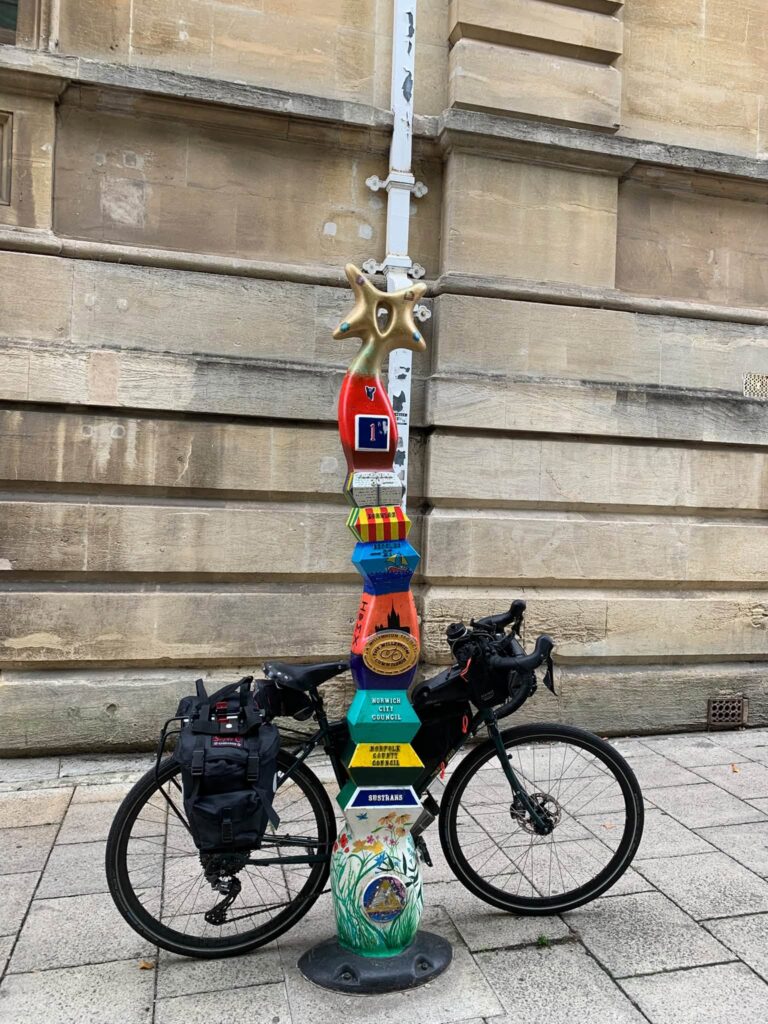
Setting off from Norwich railway station, the Rebellion Way quickly settled into a wonderfully relaxed rhythm, taking me along quiet country lanes and through the Norfolk countryside. Away from the busy roads and traffic of the city, I soon settled into the ride and enjoyed the landscape unfolding around me. The countryside seemed to stretch endlessly in every direction, with wide open skies, fields and hedgerows providing a constantly changing backdrop. It was exactly the kind of cycling I enjoy.
Quiet roads and open farmland
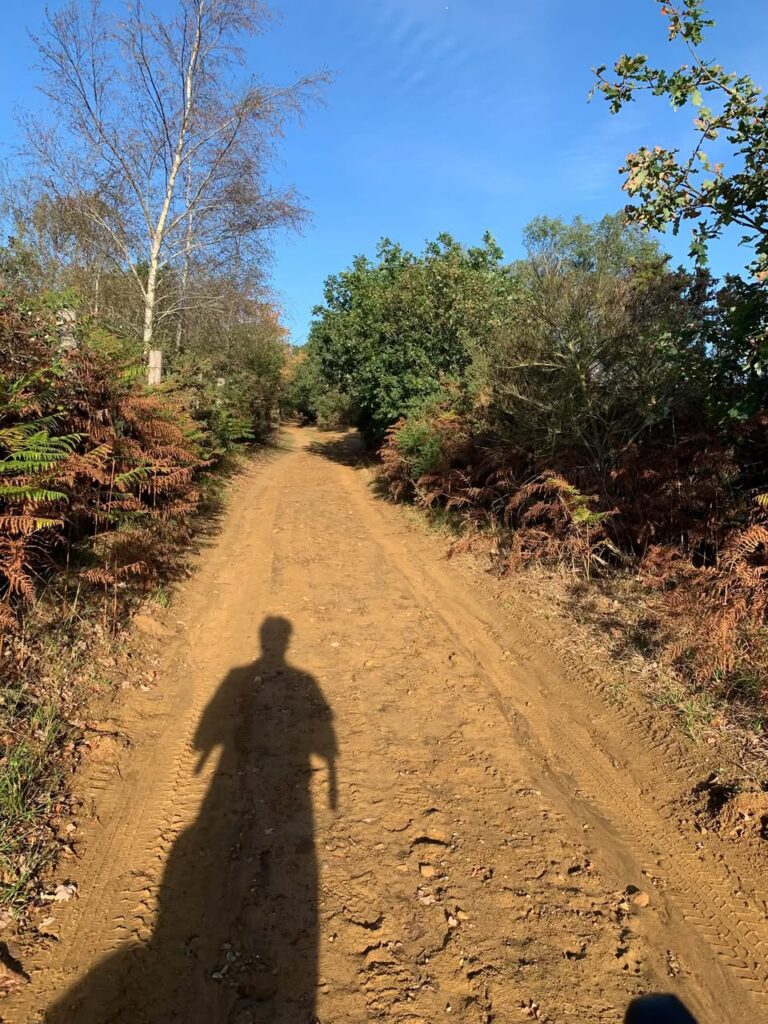
One of the things I particularly enjoyed about the Rebellion Way was the varied scenery and the variety of surfaces. There were plenty of quiet country lanes where I could settle into a comfortable pace, but then the tarmac would disappear and the route would take me onto bridleways through open farmland or along wooded single track trails. These sections gave the ride a completely different feel. Instead of following the road between villages, I was suddenly out in the open countryside with fields stretching away around me and very little to hear apart from the sound of my bike’s tyres rolling along the tracks, and the calling of birds soaring overhead.
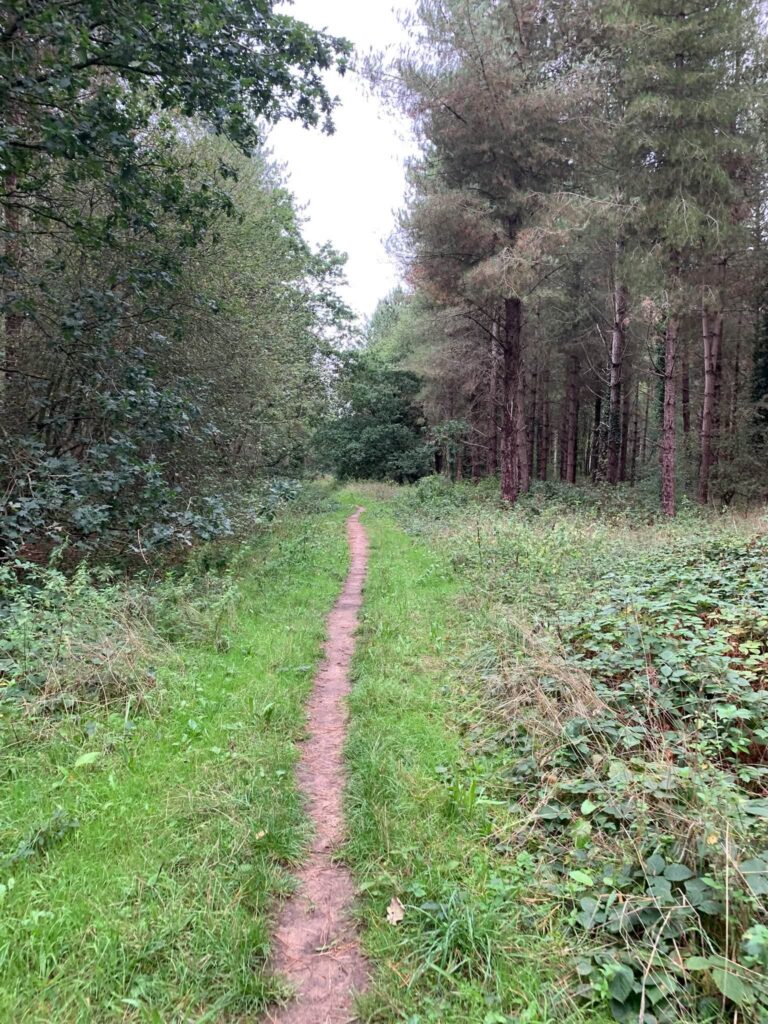
One of the advantages of travelling by bike is that you move quickly enough to cover ground, but slowly enough to notice your surroundings. A view across a field, an old building in the distance, a church tower rising above the trees or a track disappearing into woodland. You can simply stop, take it all in and explore to your hearts content.
Thetford Forest
Thetford Forest is the largest lowland pine forest in Great Britain. Riding along the network of forest tracks and fire-breaks, the atmosphere beneath the trees was quiet and relaxing. The sunlight filtering through the canopy created a kaleidoscope of dappled light upon the leaf-litter, and even the sound of my bike tyres rolling along the ground was suppressed by the foliage.
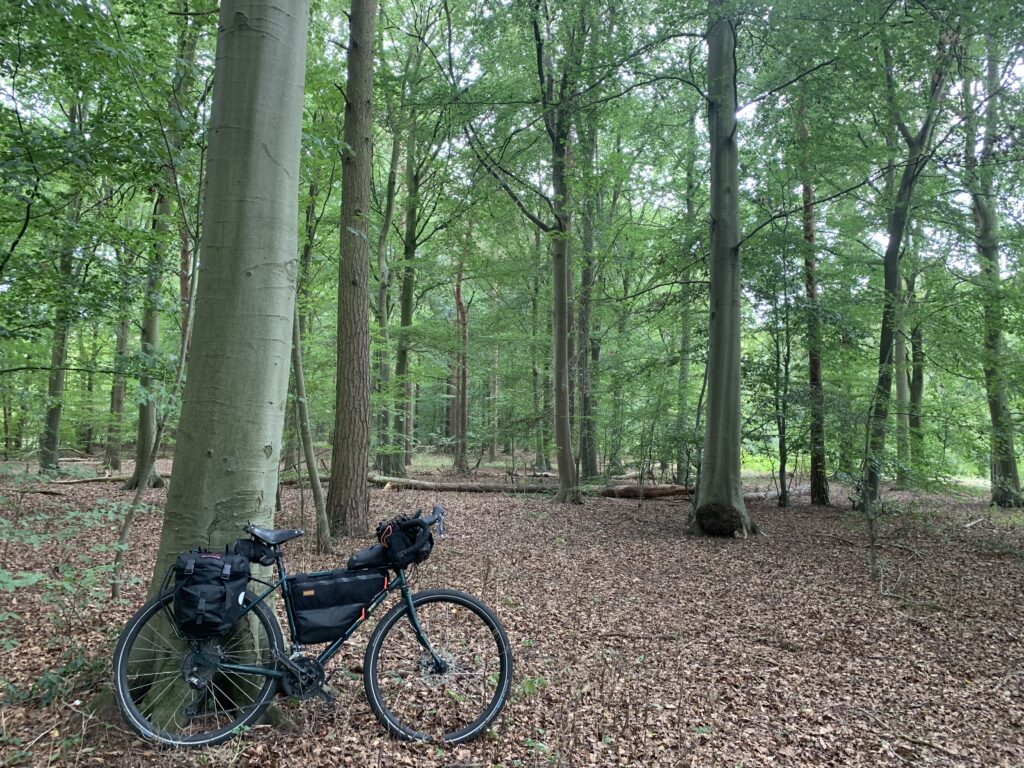
There is something very peaceful about cycling through woodland, and I found the forested sections particulalry enjoyable. It was in Thetford Forest where I spent the first night of my trip sleeping underneath the stars.
Discovering historic villages and coastal towns
Another highlight of my journey was passing through the numerous picturesque villages and coastal towns along the route. Traditional cottages, churches, village greens, beaches, harbours and fishing ports all provided opportunities to stop and explore.
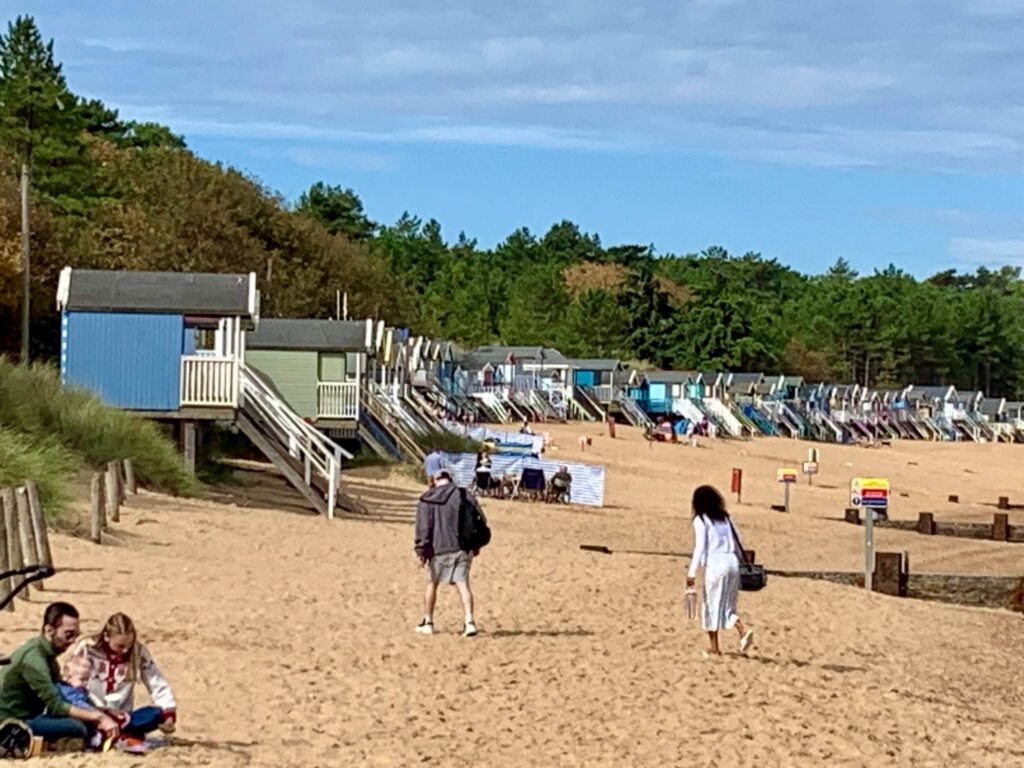
It’s good to stop and appreciate the places you’re passing through, rather than simply treating them as points on a map. And, of course, it can be a perfect excuse for a coffee stop too. After several miles of cycling, sitting down with a drink and something to eat is a good opportunity to rest the legs.
Cycling through history
I hadn’t expected there to be so many historical locations on this route. The Rebellion Way passes countless places of historic interest, and I found myself increasingly fascinated by the stories behind the buildings and landscapes. There are old churches, monasteries, castles and sprawling stately homes dotted along the route, many of them having stood for centuries and still acting as prominent landmarks. Seeing the wealth of historic sites on my trip made me realise just how much history exists in Norfolk and how many generations of people have travelled through and shaped the very landscape I was cycling through.
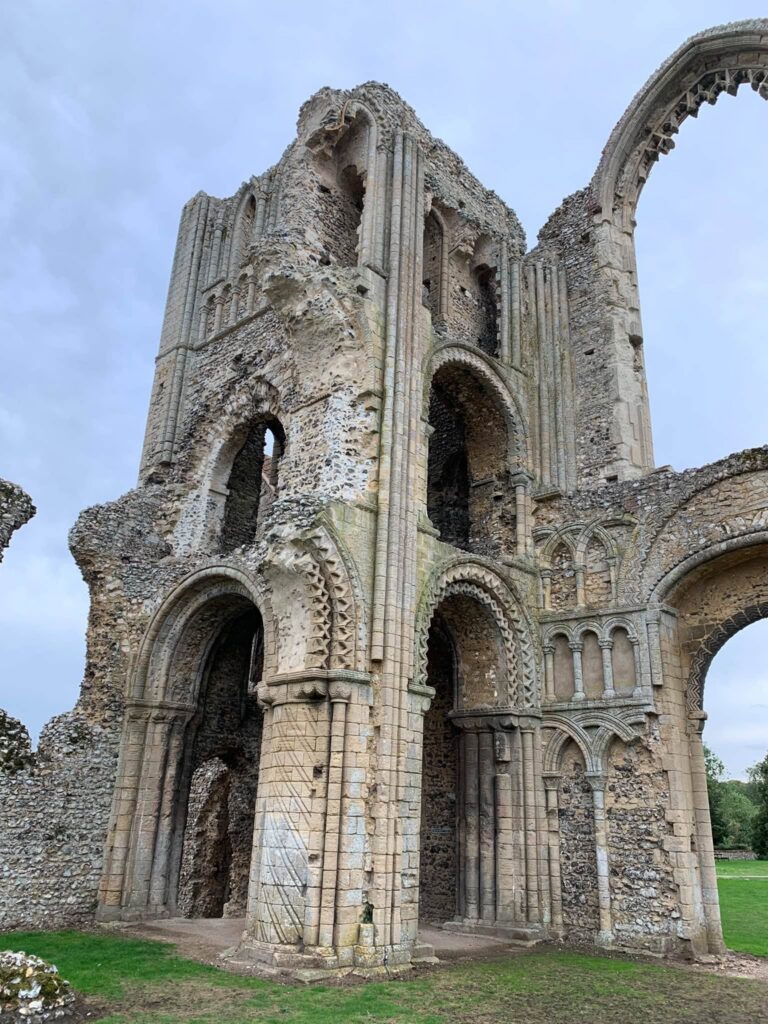
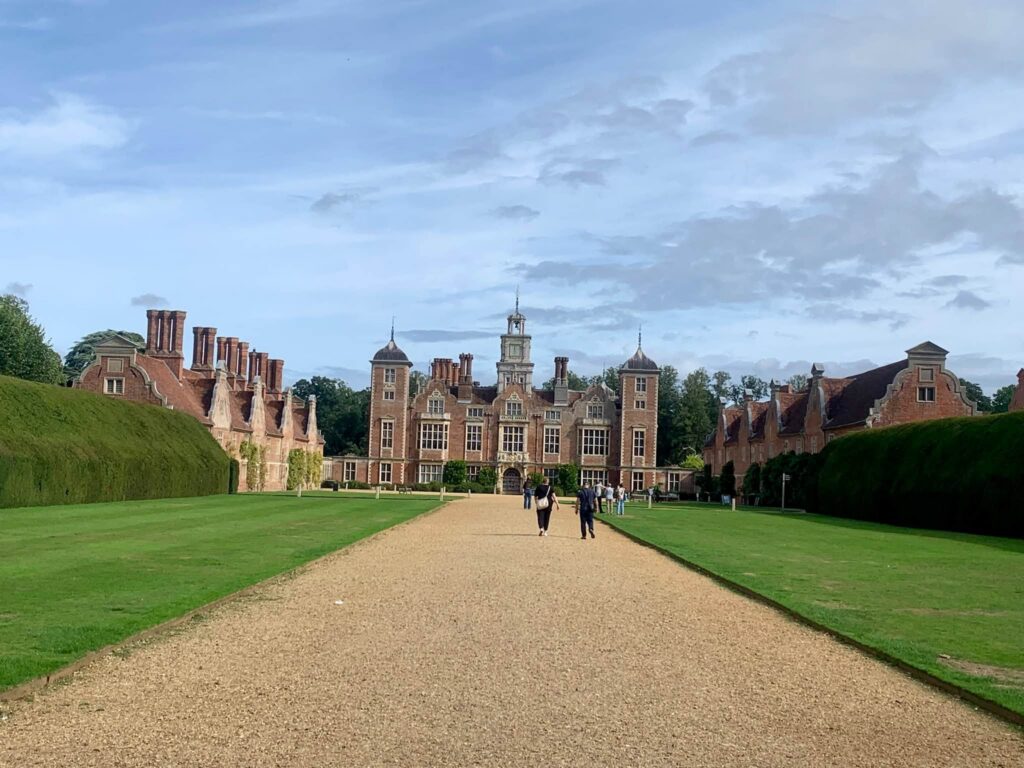
Surrounded by high stones walls, with access controlled via strong metal gates, many of the magnificent stately homes remain the seats of wealthy families, passed down through the generations. Set amongst vast acres of parklands, in which herds of deer graze amongst mighty oak trees, these once jealously guarded estates now welcome visitors whose entrance fees contribute to their upkeep. I’m not sure what the lord of one of the manors would have said if he knew that I’d spent the night tucked-up in my bivvy-bag on his land.
It’s not about the miles covered
There is always a temptation on a long-distance cycling route to concentrate on the miles. How far have I gone? How many miles are left? What time will I arrive? But I gradually found myself caring less about the numbers and more about the experience.
The Rebellion Way is a route that rewards taking your time. The quiet lanes, bridleways, forests and villages all deserve to be experienced rather than rushed through. Add the churches, ruined priories, castles and stately homes, and there are plenty of reasons to get off the bike and explore. For me, that became one of the most interesting parts of the journey. Don’t rush the Rebellion Way. Simply let the route take you where it wants to go.
Travelling Light: Bivvying Along the Way
For me, one of the great attractions of bike packing is the freedom that comes from travelling light. Rather than carrying a tent, stove and a mountain of camping equipment, I chose a much simpler lightweight approach: a bike, a small amount of essential luggage and equipment, and a bivvy bag. It meant that everything I needed for the journey could be carried in a couple of small pannier bags, keeping the bike light and making the off-road sections that much more enjoyable. With careful planning, I was able to pick up enough food and water in the towns and villages which I passed through along the way.
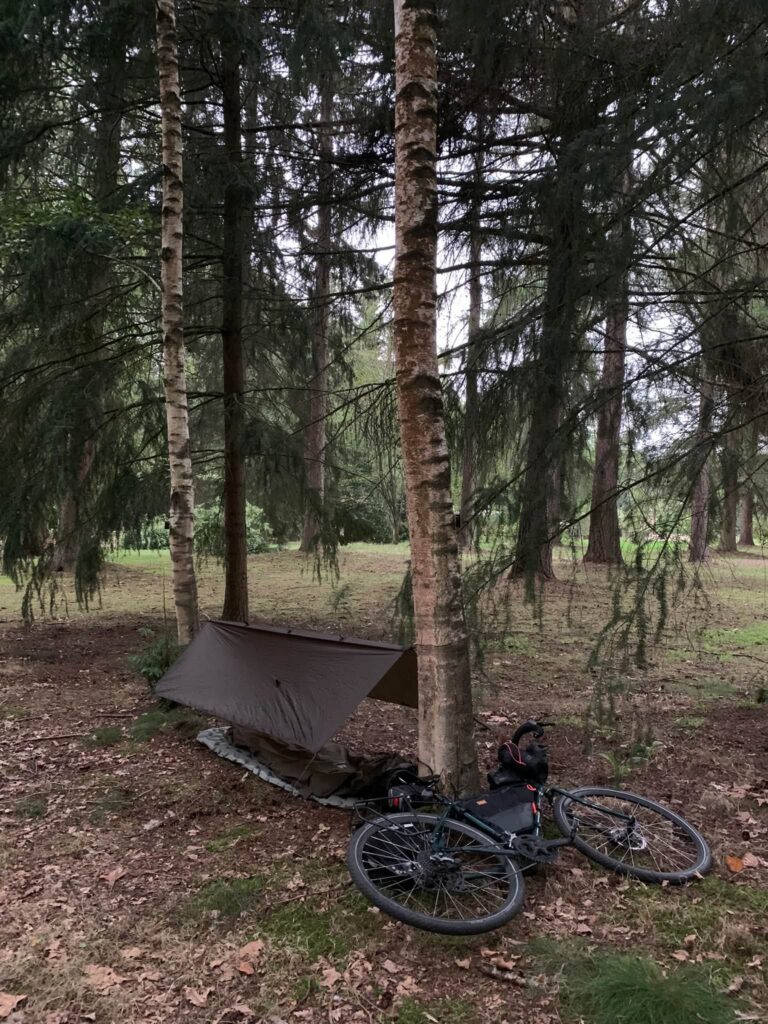
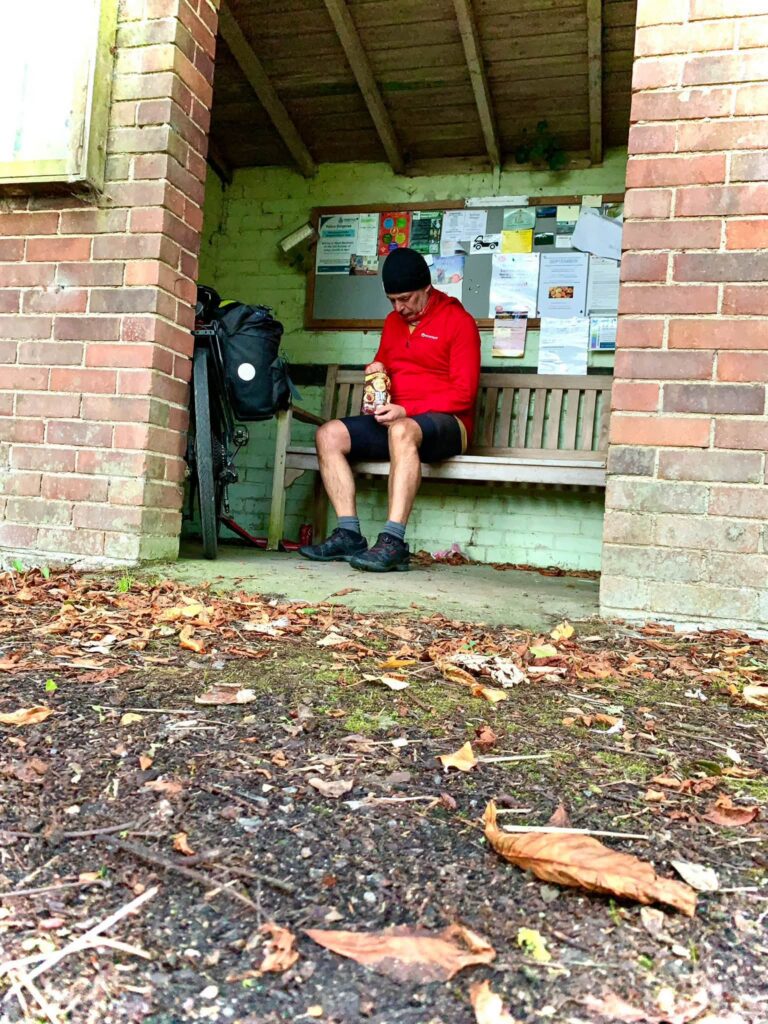
Bivvying gives you a wonderful sense of freedom. Instead of having to reach a campsite before dark, you can find a quiet spot, settle down for the night and wake up surrounded by the countryside. Over the course of the journey, I slept in some interesting locations. One night was spent tucked away in woodland, beneath the trees and away from the noise of the outside world. Another involved finding a discreet spot on the edge of a farmer’s field, where the only sounds were the wind and the occasional movement of wildlife. On another evening, I found myself sleeping in the grounds of a grand stately home. There was something rather surreal about lying in a bivvy bag beneath the night sky, surrounded by the historic landscape of an estate that had been there for generations. And then there was the bus shelter.
Passing through a small isolated village in the dead of night, a humble bus shelter became my home for the night. It wasn’t exactly luxury accommodation, but after a full day on the bike it provided somewhere dry and sheltered to sleep — and made for a story far more memorable than any hotel room could have done.
That’s the beauty of travelling this way. You carry very little, you rely on your own judgement and you become much more aware of your surroundings. Every evening brings a small adventure of its own, and every morning you wake up somewhere different.
Of course, bivvying requires responsibility. Finding a suitable place to sleep means respecting landowners, local regulations and other people, avoiding sensitive areas and leaving absolutely no trace of your stay. The aim is to be discreet, considerate and environmentally responsible.
There is also something wonderfully simple about waking up, packing away your bivvy bag and getting straight back on the bike. No tent to dismantle, no campsite to pack up and very little to carry. Just breakfast, a quick check of the bike and another day’s riding ahead.
For anyone considering the Rebellion Way, travelling light and bivvying can add an entirely different dimension to the experience. It turns a cycling trip into a genuine adventure — one where the places you sleep become just as memorable as the places you ride through. And sometimes, the most memorable accommodation is the place you never expected to find.
Choosing the right bike
The Rebellion Way is not a technically demanding route, so you won’t need a full suspension mountain bike or anything designed for serious off-road riding. However, the surfaces can be a little challenging at times, and the right tyres are particularly important.
A gravel bike, touring bike with wide tyres or a hardtail mountain bike would be suitable to cope with the mixture of tarmac lanes and off-road tracks. The terrain is generally non-technical, but many if the tracks can be rough and heavily rutted, particularly after wet weather. More importantly, most of the off-road sections are strewn with razor-sharp pieces of flint which can easily puncture or even slash tyres, therefore, strong puncture-resistant tyres are a sensible choice. Also ensure that you carry a comprehensive repair kit and several spare inner tubes. Even if you run tubeless tyres. I took three spare inner-tubes in addition to a puncture repair kit.
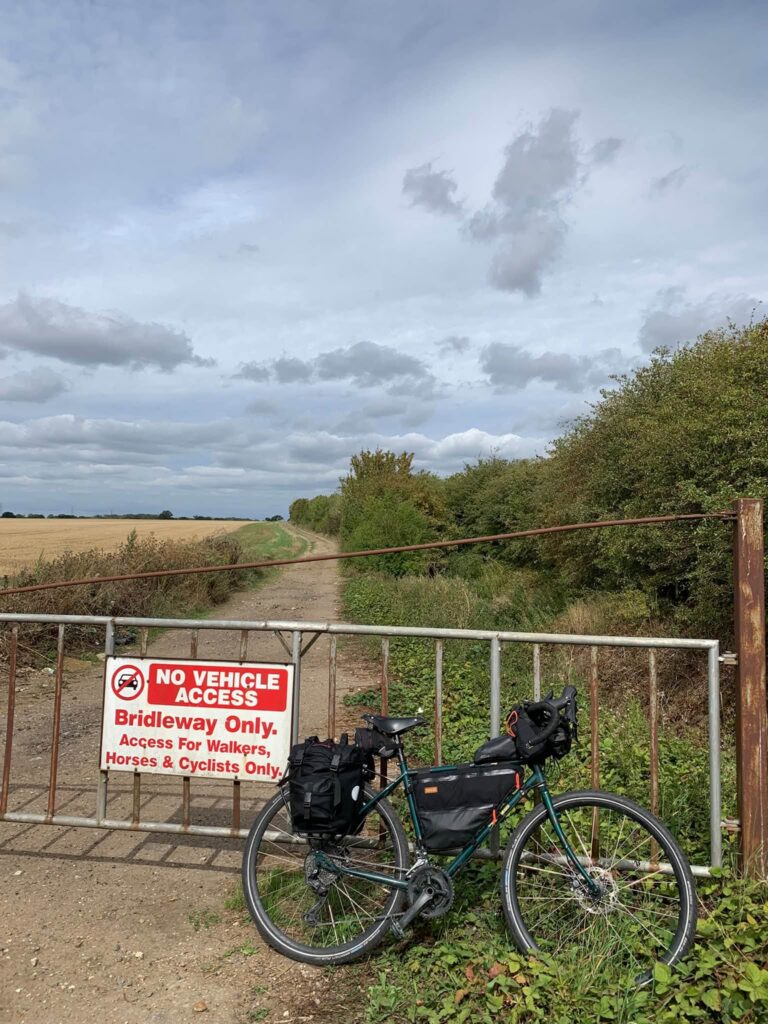
There are numerous sections of track which are very sandy, where narrow tyres can easily dig in making riding difficult and even result in loss of control, particularly on steep descents. For these stretches, wider tyres around 40 to 45mm would be a good all-round size. I was running 38mm Schwalbe Marathon Plus tyres on a steel Spa Cycles Wayfarer touring bike. Whilst these excellent puncture-resistant tyres performed well, I would have preferred them a bit wider on the deep sandy sections.
Would I cycle the Rebellion Way again?
Absolutely. There is something about a route like this that makes you want to return. Perhaps I’d stop at places I passed the first time. Perhaps I’d spend longer exploring some of the quaint little villages or historic sites. Maybe I’d take more photographs and worry a little less about how many miles I’d covered. Because that’s the beauty of the Rebellion Way. It’s not just a route. It’s an invitation to explore.
You can see a daily write-up and photos from my journey on my Facebook and instagram pages: